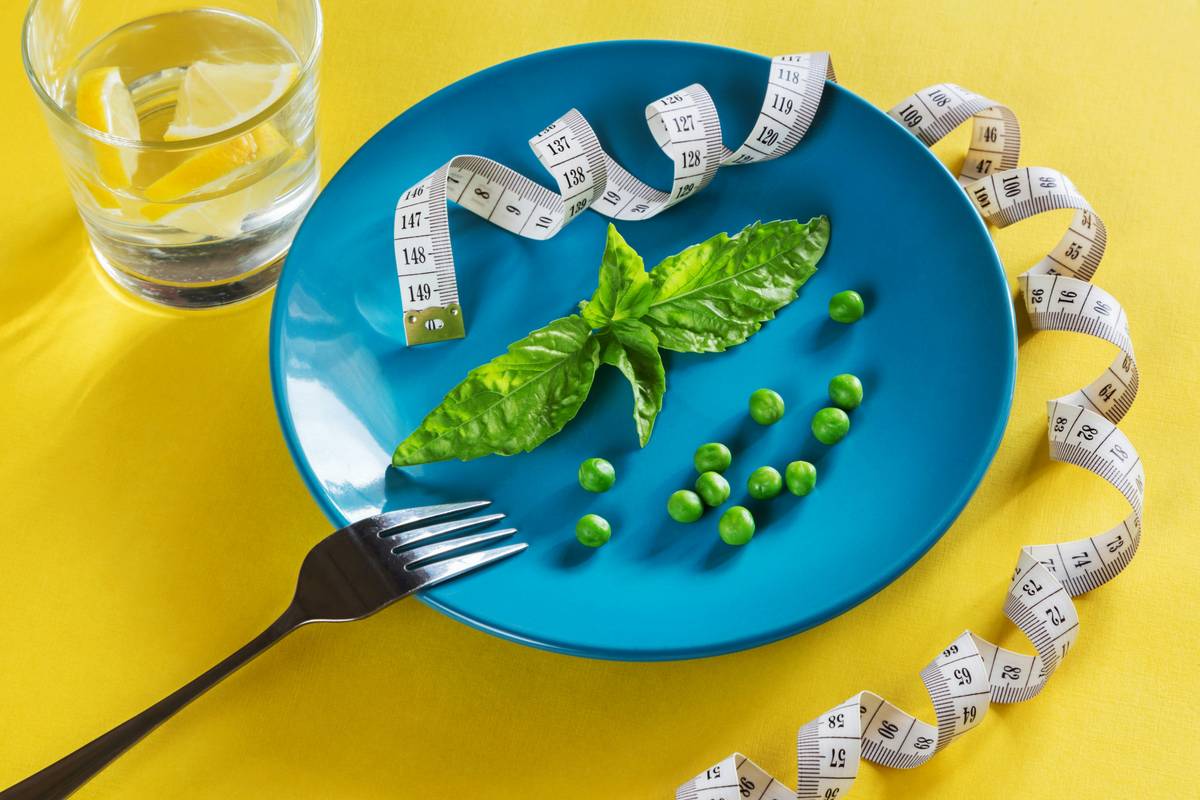
You’ve tried counting calories. You’ve logged endless treadmill miles. Yet the scale barely budges. Why? Because most people obsess over exercise while ignoring the brutal truth: weight loss diet exercise ratio isn’t 50/50—it’s lopsided, and pretending otherwise wastes months of effort.
Why “Just Move More” Is Failing You
Diet culture loves to say “abs are made in the kitchen.” Fitness influencers scream “sweat is fat crying.” Both miss the point. Your body doesn’t burn fat on moral equivalence—it runs on math, hormones, and energy balance. And here’s the reality: you can’t out-train a bad diet.
Eating a single 500-calorie fast-food burger might take 50 minutes of running to offset. But that calculation assumes perfect metabolic efficiency—which you don’t have. Stress, sleep, gut health, and insulin sensitivity all warp how your body uses fuel. So when you lean too hard on exercise alone, you’re fighting physics with hope.
weight loss diet exercise ratio: The Science-Backed Split
The optimal fat-loss formula isn’t fixed—but research and clinical experience show a consistent pattern. For sustainable results, aim for roughly 70% nutrition, 25% movement, and 5% recovery. Not glamorous. Not viral. But effective.
Diet Tactics That Actually Shift the Needle
Prioritize protein (30–40g per meal) to blunt hunger and preserve muscle. Cut liquid sugar—sodas, juices, fancy lattes—they spike insulin without satiety. And stop fearing fat; healthy fats (avocado, olive oil, nuts) slow digestion and stabilize blood sugar. Small tweaks, massive leverage.
Exercise: Less Volume, More Intent
You don’t need two-hour gym sessions. Three 30-minute resistance workouts weekly build muscle—which raises resting metabolism. Add short bursts of walking after meals (even 5–10 minutes) to blunt glucose spikes. Movement matters—but only if it complements your eating, not compensates for it.
Sleep, Stress, and the Hidden Levers
Cortisol from chronic stress drives belly fat storage. Poor sleep messes with leptin and ghrelin—the hormones that say “I’m full” or “feed me now.” Fix these, and your weight loss diet exercise ratio becomes far more efficient.

| Approach | Time Investment | Fat Loss Impact | Sustainability |
|---|---|---|---|
| 80% Diet Focus | Low (meal planning) | High | Excellent |
| 50/50 Diet & Exercise | Moderate-High | Moderate | Fair |
| 80% Exercise Focus | Very High | Low | Poor |
The Industry Secret: Metabolic Flexibility > Calorie Counting
Here’s what few will tell you: obsessing over calorie math ignores metabolic flexibility—your body’s ability to switch between burning carbs and fat. People with high flexibility stay leaner, even on slightly higher calories, because their metabolism adapts. How do you build it? Time-restricted eating (12–14 hour overnight fasts), strength training, and reducing processed carbs—not just cutting portions. One client I worked with lost 22 lbs in 10 weeks not by eating less, but by shifting her meals earlier and ditching late-night snacks. Her calories stayed nearly the same. Her weight loss diet exercise ratio improved because her metabolism finally caught up.
FAQ
What’s the ideal weight loss diet exercise ratio?
Approximately 70% diet, 25% exercise, and 5% recovery (sleep/stress management). This split maximizes fat loss while preserving muscle and energy.
Can you lose weight with diet alone?
Yes—but adding strategic exercise preserves muscle, boosts metabolism, and improves long-term success. Diet drives loss; movement shapes the outcome.
How much exercise is needed for weight loss?
Three 30-minute strength sessions weekly plus daily non-exercise activity (walking, stairs) is enough. More isn’t better—it can backfire if nutrition lags.