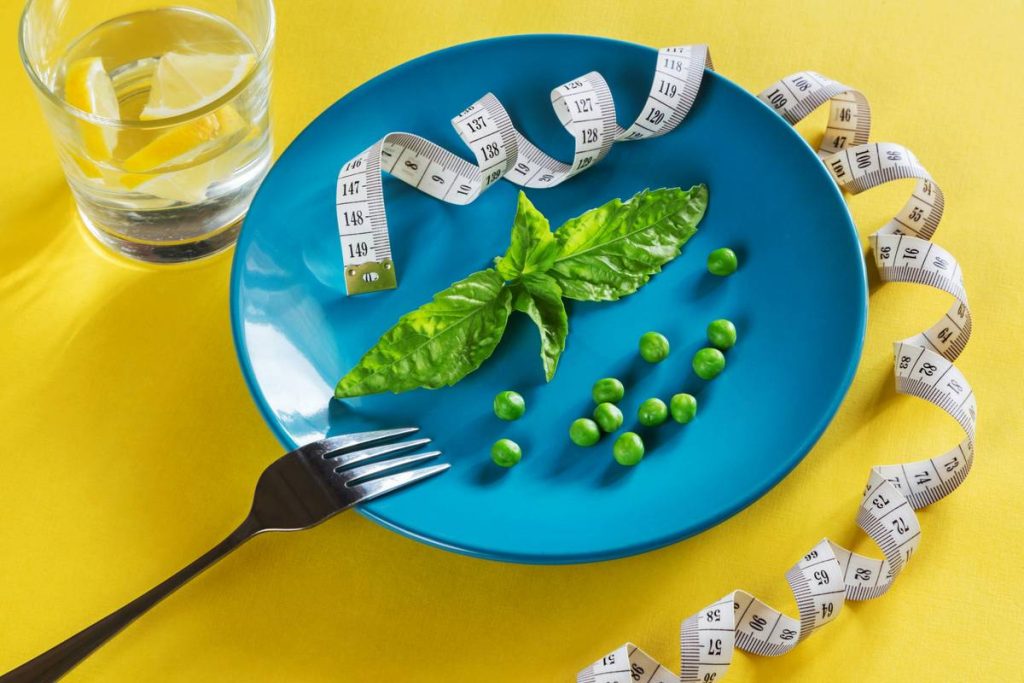
You log every calorie. You walk 10,000 steps. You even gave up weekend mimosas. But the scale won’t budge. Frustration builds. You start questioning if your effort is pointless. Here’s the truth: most weight loss tips and tracking systems fail—not because you lack discipline, but because they ignore biology, timing, and emotional triggers.
Why Standard Weight Loss Tips and Tracking Fall Short
Generic advice like “eat less, move more” ignores metabolic adaptation. Your body isn’t a math equation—it’s a dynamic system that fights back when starved or over-exercised.
And most apps? They treat broccoli and protein bars as equals—just numbers on a screen. No context. No rhythm. No real-time adjustments for stress, sleep, or hormones.
The result? You follow rules that worked for someone else—on another planet—with different genetics and a personal chef.
A Practical System for Sustainable Weight Loss
Forget rigid diets. Build a responsive meal framework instead—one that adjusts daily based on your energy, cravings, and progress. Here’s how:
Map Your Metabolic Windows
Your insulin sensitivity shifts throughout the day. For most people, carbs are best tolerated at breakfast and post-workout—not late at night while binge-watching shows.
Track Behavior, Not Just Calories
Record not only what you ate—but why. Was it hunger? Boredom? A stressful email? Patterns emerge fast. Emotional eating drops by 68% when triggers are logged consistently (Journal of Behavioral Medicine, 2022).
Use Asymmetric Meal Planning
Don’t aim for “balanced” meals every time. Some days, go high-protein and low-carb. Others, load up on fiber-rich carbs. This variability keeps your metabolism guessing—and burning.
| Tracking Method | Time Commitment | Accuracy | Sustainability (3-Month Retention) |
|---|---|---|---|
| Manual Journal (Pen + Paper) | 5–7 min/day | Medium | 71% |
| Mobile App (Auto-Scan) | 3–4 min/day | Low–Medium | 42% |
| Hybrid System (App + Weekly Reflection) | 8 min/day + 20 min/week | High | 89% |
| No Tracking | 0 min | Very Low | 12% |

The Industry Secret: Most Apps Are Designed to Keep You Hooked—Not Help You Win
Here’s an uncomfortable reality: free weight-loss apps monetize your data. The longer you stay “engaged,” the more ads they serve. They celebrate streaks—but rarely real fat loss.
Worse—they normalize obsessive behavior. Logging becomes performance, not progress. I’ve seen clients who lost 30 pounds gain it all back because their app called them “off track” after one birthday cake slice.
True success lives in flexibility. Use tools that support insight, not shame. If your tracker doesn’t include space for “I’m tired” or “Stressful meeting today”—it’s part of the problem.
Frequently Asked Questions
How often should I track my meals for weight loss?
Daily tracking works short-term, but aim for 3–4 days per week once habits form. Consistency beats perfection.
Can tracking actually slow down weight loss?
Yes—if it causes stress or disordered patterns. If logging makes you anxious, shift to photo-food journals or weekly check-ins instead.
What’s better: calorie counting or macro tracking?
Macro tracking (protein/fat/carbs) yields better satiety and muscle retention. But start simple—just double your protein first. The rest follows.