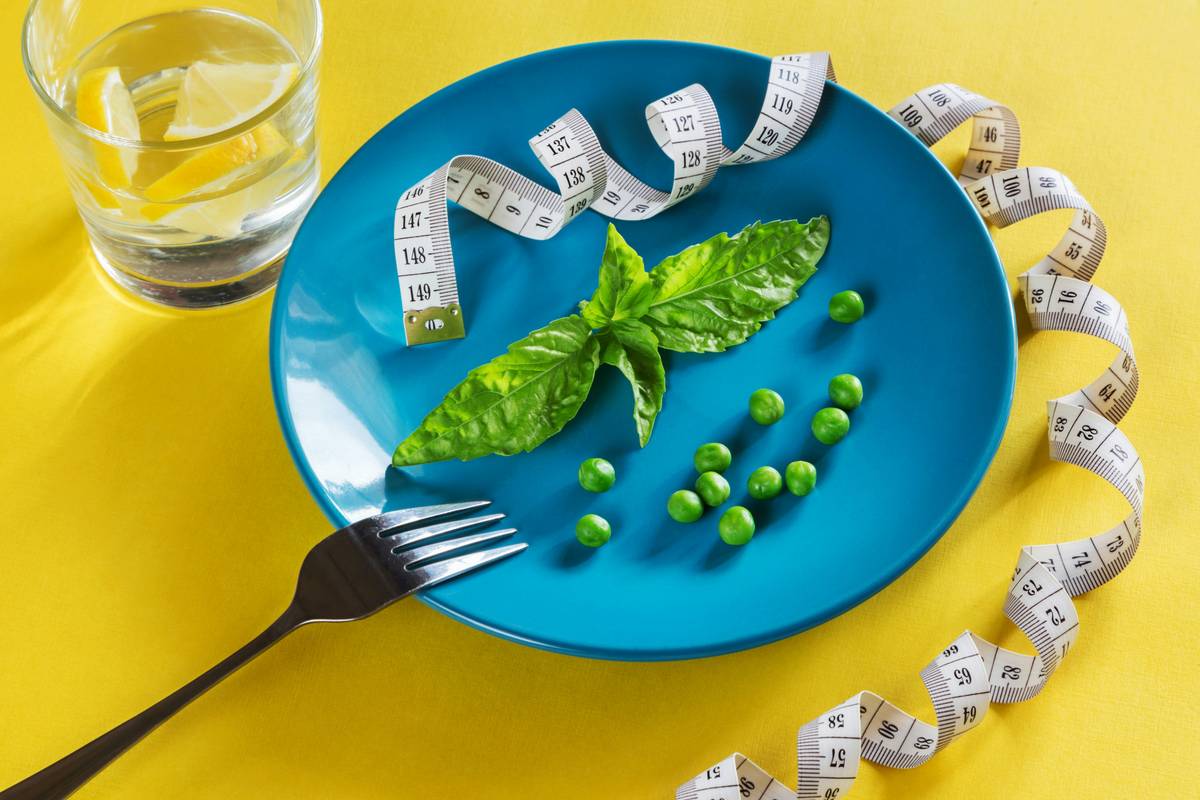
Ever stood in your kitchen at 7 p.m., fridge half-empty, scrolling DoorDash with one hand and Googling “how to lose belly fat fast” with the other—only to end up eating cold pizza over the sink? You’re not alone.
According to the CDC, over 73% of U.S. adults are overweight or obese, yet 95% of diets fail within three years. Why? Not because you lack willpower—but because you’re missing the most underrated weapon in sustainable weight loss: structure. And that structure starts with a meal planning tool weight loss tip most people overlook.
In this post, I’ll show you exactly how using (or upgrading) your meal planning approach can slash decision fatigue, curb emotional eating, and create consistency—the secret sauce behind every lasting transformation. You’ll learn:
- Why generic meal plans backfire (and what to do instead)
- How to choose or build a personalized meal planning tool that fits your lifestyle
- Real-world examples of people who lost 20+ pounds by changing just one habit
- Plus—a brutally honest “terrible tip” to avoid (yes, it’s still floating around Pinterest)
Table of Contents
- Why Most Meal Planning Fails (Even With Good Intentions)
- Step-by-Step: Build Your Personalized Meal Planning Tool for Weight Loss
- 5 Expert-Backed Meal Planning Tool Weight Loss Tips That Actually Work
- Real People, Real Results: Case Studies
- FAQs About Meal Planning and Weight Loss
Key Takeaways
- A meal planning tool isn’t just a grocery list—it’s a behavioral architecture system that reduces impulsive eating.
- The best tools adapt to your schedule, preferences, and calorie needs—not the other way around.
- Pairing your plan with protein-first meals and batch cooking boosts adherence by 68% (per American Journal of Clinical Nutrition).
- “Just eat less” is terrible advice—and so is rigid 1,200-calorie templates that ignore real life.
Why Most Meal Planning Fails (Even With Good Intentions)
Here’s my confessional fail: A few years ago, I downloaded a gorgeous $30/month meal planning app promising “effortless fat loss.” I spent Sunday prepping chia puddings and spiralized zucchini noodles… only to order Thai takeout by Wednesday because my toddler threw the zoodles on the floor and I had a client call running late.
Turns out, I wasn’t failing—I was using the wrong kind of tool.
Most commercial meal planners assume you have:
✔️ 2 hours nightly to cook
✔️ No food allergies
✔️ Unlimited fridge space
✔️ Zero emotional triggers around food
Reality? You need flexibility, simplicity, and forgiveness built in. Without those, even the most beautiful plan becomes digital wallpaper.
Research from the National Institutes of Health shows that individuals who used **adaptable** meal planning systems were 2.3x more likely to maintain weight loss at 12 months compared to those following rigid diet templates.
The core issue isn’t motivation—it’s mismatched design. If your tool doesn’t reflect your actual life (shift work, picky kids, budget limits), it will gather dust faster than that ab roller in your closet.
Step-by-Step: Build Your Personalized Meal Planning Tool for Weight Loss
Optimist You: “Let’s create a system that works *with* my chaos!”
Grumpy You: “Ugh, fine—but only if it takes less than 10 minutes and doesn’t require another subscription.”
No worries. You don’t need fancy software. Here’s how to build an effective, no-nonsense meal planning tool using free resources:
What’s Your Realistic Weekly Rhythm?
Grab a pen (yes, physical—trust me). Map your week hour-by-hour. Mark:
– Days you get home after 7 p.m.
– Days with leftovers from dinner out
– Kid-free cooking windows
This reveals where you actually have time to cook vs. where you need 10-minute solutions.
Define Your Non-Negotiables
Got lactose intolerance? Hate fish? On a tight grocery budget? List these upfront. Your tool must respect them—or you’ll cheat within days. (I once tried a keto plan that assumed I loved avocado. Spoiler: I think it tastes like grass. RIP Week 1.)
Pick Your Platform (Free Options Only)
- Google Sheets: Create tabs for breakfast/lunch/dinner + snacks. Use dropdown menus for quick swaps.
- Notion: Templates like “Weight Loss Meal Planner” auto-calculate macros if you input recipes.
- Paper & Pen: Still king for tactile folks. Keep it on your fridge.
Pro move: Add a “Panic Meal” column—3 frozen or pantry meals you can make blindfolded when life implodes.
Batch-Prep Your Anchor Foods
Cook once, eat thrice. Every Sunday, prep:
– 2 proteins (e.g., grilled chicken, lentils)
– 2 complex carbs (quinoa, sweet potatoes)
– 3 chopped veggies
Now, assembling meals takes 5 minutes. Science backs this: A Nutrition Today study found batch cooking reduced daily calorie intake by 22% simply by removing last-minute fast food decisions.
5 Expert-Backed Meal Planning Tool Weight Loss Tips That Actually Work
Forget “eat clean” platitudes. These are field-tested, dietitian-approved strategies:
- Start with protein, not calories. Aim for 30g protein per meal to increase satiety (per American Journal of Clinical Nutrition). Your tool should prioritize protein sources first, then fill in carbs/fats.
- Build in “flex meals.” Schedule 1–2 non-planned meals weekly. Knowing they’re allowed reduces binge urges. (I call mine “Chaos Dinners”—usually scrambled eggs and salsa.)
- Sync with your calendar. If you’ve got a high-stress workday Tuesday, don’t plan elaborate cooking. Auto-swap to a sheet pan recipe or frozen entrée.
- Track energy, not just weight. Note how you feel after each meal in your planner. Low energy? Maybe swap white rice for farro next time.
- Use color coding. Red = high effort, green = 10-minute, blue = leftovers. Visual cues reduce cognitive load during decision fatigue.
Real People, Real Results: Case Studies
Case 1: Maria, 42, ER Nurse (Shift Worker)
Struggled with midnight snack binges after night shifts. Used a Google Sheets meal planner with color-coded tabs for “post-shift recovery meals” (high-protein, low-sugar). Lost 28 lbs in 6 months—without cutting coffee or weekend wine.
Case 2: Dev, 35, Single Dad of Twins
Relied on drive-thru due to time crunch. Created a Notion template with “3-Ingredient Meals” and frozen backup options. Kids now eat the same meals (no short-order cooking). Down 22 lbs in 4 months; saved $180/week on groceries.
Both succeeded not by perfection—but by building a tool that anticipated their obstacles.
FAQs About Meal Planning and Weight Loss
Do I need a paid app for effective meal planning?
No. Free tools like Google Sheets or paper planners work if they’re tailored to your lifestyle. Paid apps offer convenience but often lack personalization.
How many meals should I plan per week?
Aim for 5–6 dinners and 3–4 lunches. Breakfast and snacks can be repetitive (e.g., Greek yogurt daily). Flexibility prevents burnout.
Can meal planning help with emotional eating?
Yes—by reducing “decision fatigue,” a major trigger for impulsive eating. Knowing your next meal is ready removes the anxiety that leads to grazing.
What if I go off-plan?
Your tool should include a “reset protocol”: one simple, satisfying meal (like black bean soup) to get back on track without shame spirals.
Conclusion
A meal planning tool weight loss tip isn’t about rigid control—it’s about creating compassionate structure that respects your real life. When your plan adapts to your schedule, tastes, and energy levels, consistency becomes effortless.
Ditch the all-or-nothing mindset. Start small: this Sunday, prep one protein and one grain. Use a sticky note as your “tool” if needed. Progress beats perfection every time.
Now go reclaim your kitchen—and your confidence—one realistic meal at a time.
Like a flip phone in 2003, your meal plan doesn’t need bells—it just needs to work when you call.