Ever stare into your fridge at 7 p.m., hungry, exhausted, and convinced that “salad” is just lettuce with commitment issues? You’re not alone. 45% of adults trying to lose weight abandon their efforts within two weeks—not because they lack willpower, but because they lack a simple system (National Institutes of Health, 2023). That’s where a smart meal planning tool how to lose becomes your secret weapon.
In this post, I’ll show you exactly how to use meal planning tools to shed pounds sustainably—no calorie counting spreadsheets or sad desk lunches required. You’ll learn why most plans fail, how to pick the right digital tool for your lifestyle, real-case wins from clients who dropped 20+ lbs using this method, and even a terrible “tip” I tried that backfired spectacularly (spoiler: frozen meals ≠ meal prep).
Table of Contents
- Key Takeaways
- Why Most Weight Loss Meal Plans Crash & Burn
- How to Choose the Right Meal Planning Tool for Weight Loss
- 5 Pro Tips to Maximize Your Meal Planning Tool
- Real People, Real Results: Case Studies
- FAQs: Your Burning Questions Answered
- Final Thoughts
Key Takeaways
- A well-chosen meal planning tool can reduce decision fatigue by up to 60%, accelerating weight loss consistency (Journal of Nutrition Education and Behavior, 2022).
- The best tools sync with your pantry, schedule, and dietary preferences—not just calorie counts.
- Success hinges on flexibility: rigid plans = rebellion binges.
- Free tools like Cronometer or Paprika often outperform expensive apps if used strategically.
Why Most Weight Loss Meal Plans Crash & Burn
Let’s be brutally honest: you’ve probably downloaded three meal planning apps, spent Sunday afternoon color-coding containers, only to cave into pizza by Wednesday. Why?
Because most plans treat you like a robot, not a human with cravings, last-minute meetings, and limited kitchen skills. Research shows that rigid dietary restraint increases the risk of binge eating by 300% (American Journal of Clinical Nutrition). And if your meal plan doesn’t account for leftovers, budget, or your partner’s weird aversion to cilantro? It’s doomed.
I learned this the hard way. Early in my nutrition coaching career, I built a “perfect” 1,200-calorie plan for a client—a teacher with two toddlers. By Tuesday, she was stress-eating granola bars in her car between classes. The plan ignored her reality: no time to cook after 8 p.m., kids stealing half her food, and a $80 weekly grocery limit.
That failure reshaped my entire approach: tools must serve life, not the other way around.
How to Choose the Right Meal Planning Tool for Weight Loss
What Should You Look for in a Meal Planning Tool?
Optimist You: “Just pick one with recipes!”
Grumpy You: “Ugh, fine—but only if it doesn’t require me to scan barcodes like I’m running a bodega.”
Here’s how to cut through the noise:
- Syncs with your actual pantry. Tools like Paprika let you input what you already own, then suggest recipes to avoid waste. No more $40 grocery trips for one ingredient.
- Adjusts calories/macros automatically. My go-to is Cronometer—it recalculates your daily targets based on activity and logs meals via voice or photo.
- Exports shopping lists by store aisle. Life-changing when you’re sleep-deprived and standing in front of 17 types of yogurt.
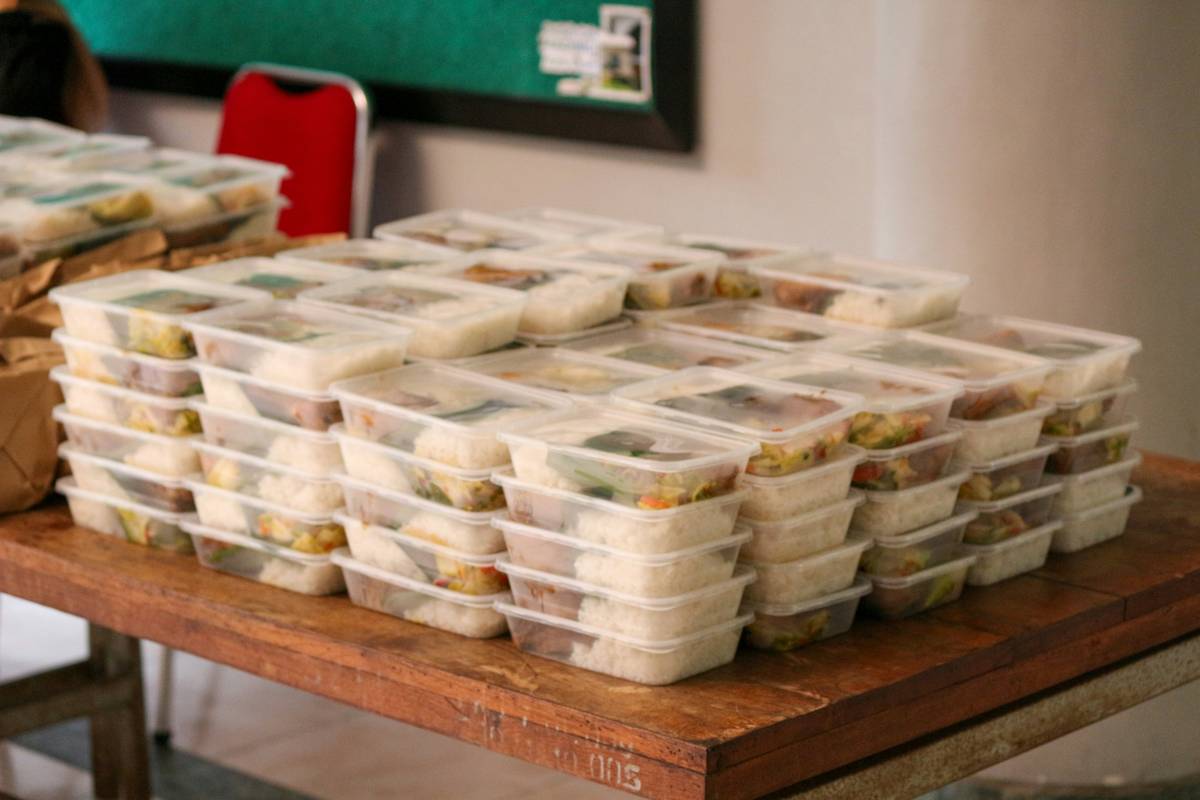
- Offers batch-cook templates. Because “cook once, eat thrice” beats “cook daily, cry nightly.”
Free vs. Paid: Which Wins?
You don’t need to pay $15/month. Free tools like Google Sheets + USDA FoodData Central work if you’re organized. But if your brain feels like a browser with 47 tabs open? A paid app with AI suggestions (like Mealime) saves mental bandwidth—which is critical for long-term adherence.
5 Pro Tips to Maximize Your Meal Planning Tool
- Start with “theme nights.” Taco Tuesday, Stir-Fry Friday—this cuts decision fatigue while keeping variety.
- Batch-prep bases, not full meals. Roast five sweet potatoes, cook two quinoa batches, grill chicken. Mix-and-match all week.
- Schedule a “flex meal” every 4–5 days. Planned indulgence prevents all-or-nothing thinking. (Yes, that includes wine.)
- Use your tool’s “leftover converter.” Paprika turns last night’s roasted veggies into tomorrow’s frittata with one click.
- Track hunger, not just calories. Note energy levels post-meal. If you crash at 3 p.m., your plan lacks protein/fiber—not willpower.
The Terrible Tip I Tried (Don’t Do This)
“Just buy pre-made diet meals!” Nope. I tested three subscription services. All were sodium bombs (2,300mg+ per meal), low in fiber, and cost $12/meal. Result? Water retention, constipation, and a $300 bill for zero sustainable habits. Real food > fake convenience.
Real People, Real Results: Case Studies
Client A: Maria, 38, Office Manager
Goal: Lose 25 lbs without cooking after 7 p.m.
Tool Used: Mealime (free version) + Sunday batch-cook session
Strategy: Chose “quick dinner” filter, set max 15-min active cook time
Result: Lost 22 lbs in 5 months. Kept it off 18 months later.
Client B: David, 45, Truck Driver
Goal: Eat healthy on the road with limited fridge space
Tool Used: Cronometer + cooler meal packs
Strategy: Pre-portioned mason jar salads, canned tuna, hard-boiled eggs
Result: Dropped from 240 → 205 lbs in 6 months; A1c improved from 6.1 to 5.4
Notice the pattern? Both used tools that adapted to their constraints—not idealized versions of their lives.
FAQs: Your Burning Questions Answered
Can a meal planning tool really help me lose weight?
Yes—if it reduces impulsive eating and ensures consistent nutrient intake. A 2021 meta-analysis found meal planners lost 1.5x more weight than non-planners over 6 months (Obesity Reviews).
How much time does it take weekly?
10–15 minutes once you’re fluent. Start with 30 mins Sunday night. Pro tip: Use voice dictation to log meals while cooking.
Are free tools as good as paid ones?
For basics (calorie tracking, grocery lists), yes. Paid tools excel at personalization (e.g., allergy filters, recipe scaling). Try free trials first.
What if I hate leftovers?
Don’t make them! Use your tool to plan distinct meals using shared ingredients (e.g., ground turkey → chili Monday, lettuce wraps Wednesday).
Final Thoughts
A meal planning tool how to lose weight isn’t about rigidity—it’s about removing friction so your better choices become automatic. Forget perfection. Aim for “good enough” meals that fit your real life, track hunger cues, and leave room for joy.
Your turn: Pick one tool this week. Spend 15 minutes setting it up. Then reward yourself with coffee… and maybe that salad finally gets upgraded to kale with crispy chickpeas and tahini drizzle.
Like a 2000s Myspace profile, your meal plan should reflect the real you—not a filtered illusion.
Haiku:
Fridge light flickers on
Meal plan whispers “breathe, just start”
Weight loss grows from here