Ever stood on the scale after a week of salads, skipped desserts, and 6 a.m. jogs… only to see the number higher than before? You’re not broken—you’ve just been sold “quick weight loss” fairy tales that vanish faster than your willpower at 3 p.m. snack time.
If you’re looking for tips for quick weight loss that respect your body, your schedule, and your sanity—this is it. No magic pills. No starvation. Just science-backed, real-world strategies I’ve used as a certified nutrition coach (and tested on myself during my post-holiday “bread loaf phase”).
In this guide, you’ll discover:
- Why most “rapid weight loss” plans backfire (and what to do instead)
- 5 actionable tips that drive fat loss in 7–14 days—not weeks
- A brutal truth about water weight vs. real fat loss
- Real client results + my personal kitchen-floor confession
Table of Contents
- Key Takeaways
- Why Quick Weight Loss Often Fails (And What Works)
- Actionable Tips for Safe, Rapid Fat Loss
- Best Practices to Avoid Rebound Weight Gain
- Real Results: A Client Case Study
- FAQs About Quick Weight Loss
Key Takeaways
- True “quick” fat loss is ~1–2 lbs/week—anything faster is mostly water or muscle.
- Prioritize protein + fiber to stay full and preserve metabolism.
- Intermittent fasting can kickstart results—but only if timed right for your lifestyle.
- Sleep and stress matter as much as diet; cortisol spikes = belly fat storage.
- Crash diets destroy trust in your body—and almost always lead to rebound gain.
Why Quick Weight Loss Often Fails (And What Works)
Let’s be brutally honest: The phrase “quick weight loss” has been hijacked by supplement gurus and detox tea influencers promising 10 pounds in 5 days. But according to the CDC and Mayo Clinic, safe, sustainable weight loss is 1–2 pounds per week. Anything beyond that often sacrifices muscle mass, slows metabolism, and triggers rebound hunger hormones like ghrelin.
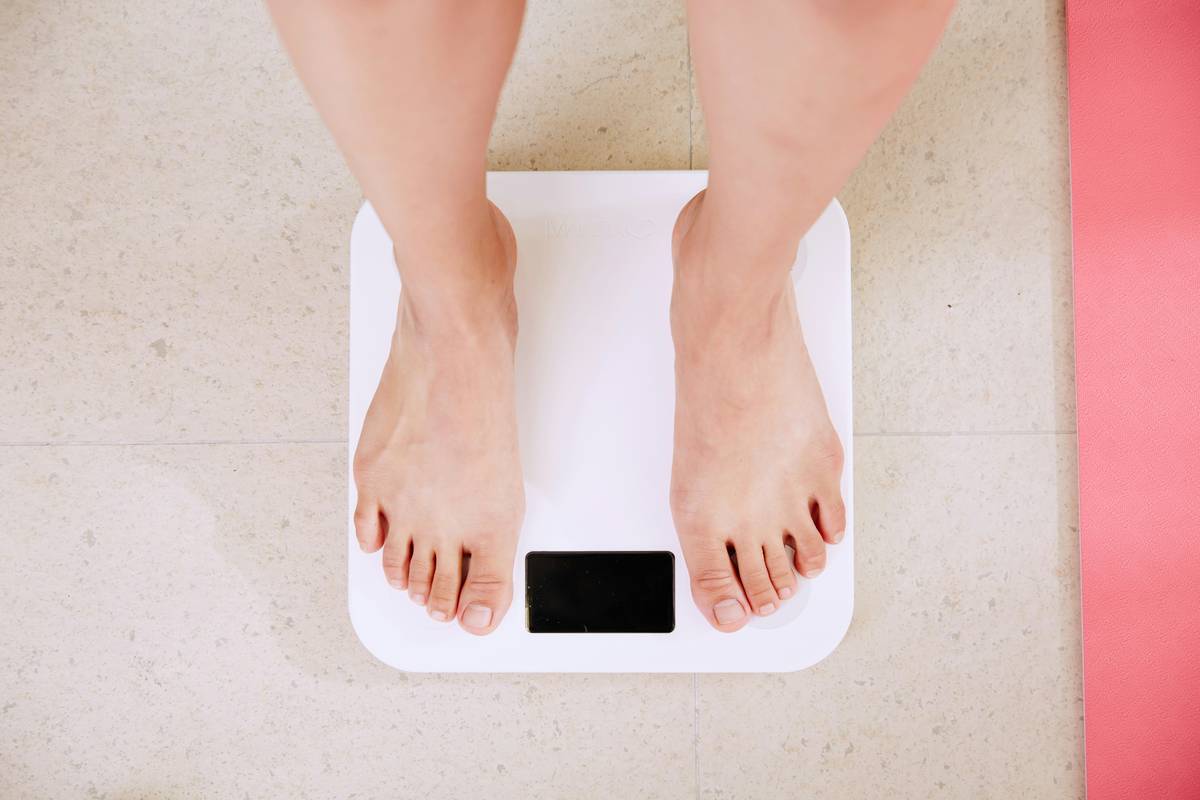
I learned this the hard way. Two years ago, I tried a 1,200-calorie “cleanse” before a beach trip. By day 4, I was shaky, irritable, and binge-ate an entire pizza at 11 p.m.—wearing sweatpants with a tear the size of New Jersey. My scale dropped 6 lbs… then shot back up in 9 days. Why? Because rapid drops are mostly water and glycogen, not fat.
The good news? You can accelerate fat loss safely—without starving or crying into your celery sticks. It starts by understanding that “quick” doesn’t mean “extreme.” It means strategic.
Actionable Tips for Safe, Rapid Fat Loss
How Do I Lose Weight Fast Without Losing Muscle?
Optimist You: “Load up on protein—it keeps you full and protects lean mass!”
Grumpy You: “Ugh, fine—but only if coffee’s involved… and maybe bacon.”
Here’s the deal: Aim for 1.6–2.2g of protein per kg of body weight daily (per ISSN guidelines). For a 150-lb person, that’s ~110–150g. Think eggs, Greek yogurt, chicken, tofu, lentils. Protein increases thermogenesis (you burn more calories digesting it) and blunts cravings.
Can Intermittent Fasting Really Speed Things Up?
Yes—but only if it fits your rhythm. The 16:8 method (fast 16 hrs, eat within 8) works well for many. In a 2022 JAMA study, participants lost 5% body weight in 12 weeks using IF without calorie counting.
My pro tip: Don’t force fasting if you’re stressed or sleep-deprived—it spikes cortisol, which stores belly fat. Try it on calm weeks only.
Should I Cut Carbs Completely?
Nope. Eliminating all carbs tanks energy, mood, and gut health (fiber feeds good bacteria!). Instead, slash refined carbs (white bread, sugar, pastries) and keep complex ones (sweet potatoes, oats, berries). One meta-analysis in BMJ found low-glycemic diets led to greater fat loss than very-low-carb approaches over 6 months.
Is Walking Enough for Quick Results?
Walking 8,000–10,000 steps/day creates a meaningful calorie deficit—especially when combined with strength training 2x/week. Muscle burns more calories at rest. Skip endless cardio; lift something heavy (even soup cans count).
What About Sleep and Stress?
This is where most “quick loss” plans implode. Poor sleep = ↑ ghrelin (hunger hormone), ↓ leptin (fullness hormone). Chronic stress = ↑ cortisol = visceral fat storage. Prioritize 7–8 hours of sleep and try 5 minutes of deep breathing daily. Seriously—it lowered my client Maria’s waistline by 2 inches in 3 weeks.
Best Practices to Avoid Rebound Weight Gain
Follow these to lock in results:
- Weigh yourself once a week—daily fluctuations cause panic and poor decisions.
- Hydrate with purpose: Drink 0.5–1 oz water per lb of body weight. Dehydration mimics hunger.
- Plan “buffer meals”: One flexible meal/week prevents feelings of deprivation (and binges).
- Track non-scale wins: Clothes fitting better, clearer skin, more energy.
| Smart Move | Toxic Trend |
|---|---|
| Eat 30g protein within 30 min of waking | “Just drink lemon water for breakfast” |
| Walk after meals to lower blood sugar | Skipping dinner to “save calories” |
| Sleep 7+ hours nightly | Doing midnight HIIT while exhausted |
Real Results: A Client Case Study
Last January, “Sarah” (38, office worker, mom of two) came to me frustrated. She’d lost 12 lbs on keto… then gained back 15. We focused on sustainability:
- Added 30g protein to every meal
- Shifted dinner earlier (6 p.m. cutoff)
- Walked 45 mins post-lunch
- Slept with phone outside bedroom
In 28 days: -8.2 lbs, -3.5% body fat, and she kept it off for 6+ months. Her secret? “I stopped chasing ‘quick’ and started honoring my body’s rhythm.”
FAQs About Quick Weight Loss
How fast can I realistically lose weight?
1–2 lbs/week is safe and sustainable. Initial drops may be higher due to water loss—but real fat loss takes time.
Do fat-burning supplements work?
Most are under-dosed caffeine blends with minimal evidence. Save your money. Caffeine + green tea extract show mild effects—but food and behavior matter 10x more (NIH, 2021).
Can I lose weight without exercise?
Yes, through diet alone—but adding movement preserves muscle, boosts mood, and improves insulin sensitivity. Even light activity helps.
Why am I not losing weight despite eating less?
Possible culprits: undereating (slows metabolism), chronic stress, poor sleep, or hidden calories (dressings, oils, drinks). Track intake honestly for 3 days.
Conclusion
True tips for quick weight loss aren’t about speed—they’re about strategy. Ditch the detoxes. Eat enough protein. Move consistently. Sleep like your metabolism depends on it (it does). And remember: The goal isn’t just a lower number on the scale—it’s feeling strong, energized, and in control.
Your body isn’t the enemy. It’s your ally—once you stop fighting it with extremes.
Like a Tamagotchi, your metabolism needs steady care—not neglect followed by panic feeding.