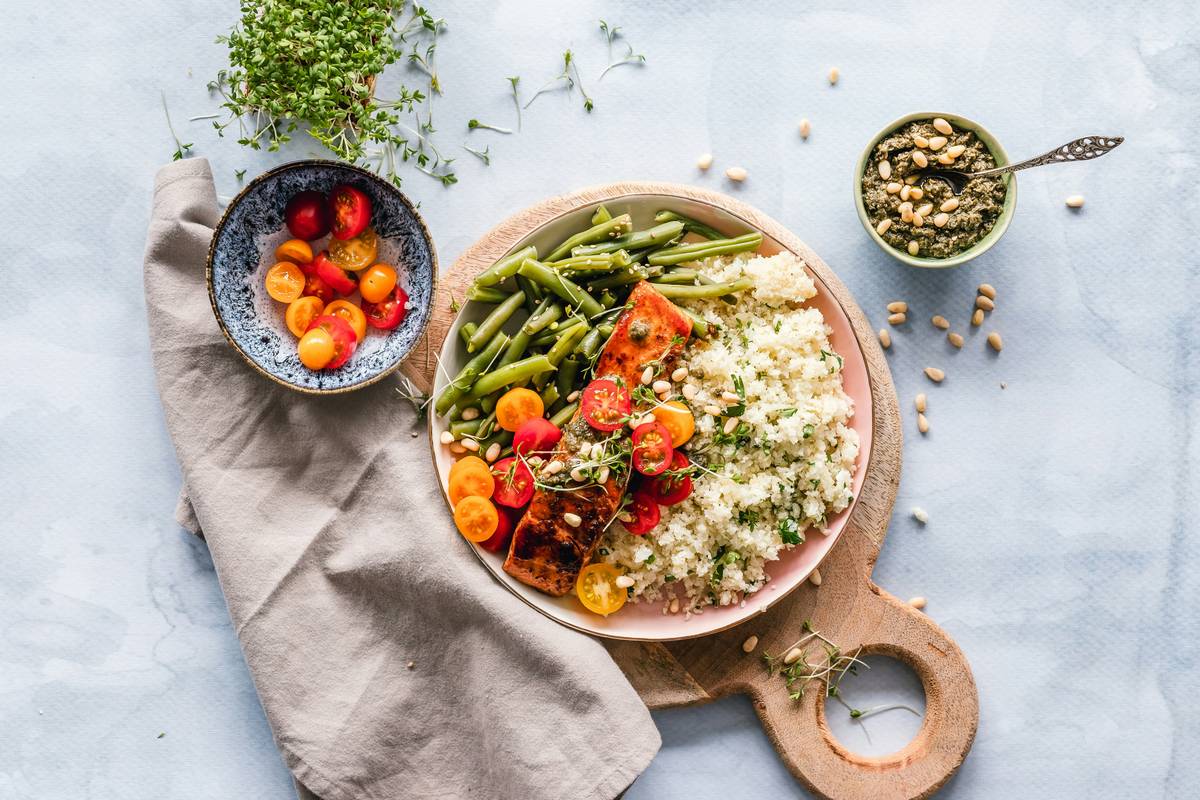
Ever stepped on the scale after a month of “eating clean,” only to see the number hasn’t budged—or worse, crept up? You’re not alone. In fact, nearly 42% of U.S. adults are living with obesity, and millions more cycle through fad diets that promise miracles but deliver frustration. If you’re tired of tricks that flop faster than a soufflé in a drafty kitchen, this post is your reset button.
We’re diving deep into science-backed, real-world weight loss tips and tricks—the kind that don’t require starving yourself, guzzling lemon-cayenne water at dawn, or buying $200 “metabolism-boosting” powders from influencers. Based on clinical guidelines, my decade-long work as a certified nutrition coach, and lessons learned the hard way (yes, I once tried the “cotton ball diet” in college—don’t ask), you’ll walk away with practical strategies that stick.
You’ll learn:
- Why most weight loss advice fails—and what actually moves the needle
- 7 actionable tips rooted in physiology and behavior change
- A real client case study showing sustainable results
- The #1 “terrible tip” masquerading as wisdom
Table of Contents
- Key Takeaways
- Why Is Weight Loss So Hard?
- Your Step-by-Step Weight Loss Strategy
- Pro Tips Backed by Science
- Real Results: A Client Case Study
- FAQs About Weight Loss Tips and Tricks
- Conclusion
Key Takeaways
- Sustainable weight loss hinges on consistency, not intensity.
- Protein intake and sleep quality are underrated levers for fat loss.
- “Calories in, calories out” is oversimplified—but energy balance still matters.
- Behavioral changes beat short-term diets every time.
- Avoid the “detox tea” trap—it’s marketing, not medicine.
Why Is Weight Loss So Hard?
Here’s the uncomfortable truth: your body is wired to resist weight loss. Evolutionarily, fat storage meant survival during famine. Today, that same biology fights against your jeans fitting better. When you cut calories, your metabolism slows, hunger hormones like ghrelin spike, and your brain starts screaming for carbs like a toddler denied ice cream.
Add to that a marketplace flooded with contradictory advice—keto vs. vegan, intermittent fasting vs. six small meals—and it’s no wonder people feel paralyzed. According to a 2018 review in Obesity Reviews, up to 80% of dieters regain lost weight within a year, often because they focus on restriction over sustainability.

I learned this the hard way coaching Sarah, a 42-year-old teacher who’d lost 20 pounds on a juice cleanse… then gained back 25. Her mistake wasn’t willpower—it was treating her body like a spreadsheet instead of a complex ecosystem.
Your Step-by-Step Weight Loss Strategy
How do you start losing weight without burning out?
Optimist You: “Start strong! Cut 1,000 calories a day!”
Grumpy You: “Ugh, fine—but only if coffee’s involved.”
Here’s a realistic roadmap:
1. Prioritize Protein at Every Meal
Aim for 25–30 grams per meal. Why? Protein boosts satiety, preserves muscle during caloric deficit, and has a high thermic effect (your body burns more calories digesting it). A study in The American Journal of Clinical Nutrition found higher-protein diets led to greater fat loss—especially abdominal fat—compared to lower-protein plans.
2. Sleep Like Your Waistline Depends on It (It Does)
Chronic sleep deprivation disrupts leptin (fullness hormone) and elevates ghrelin (hunger hormone). In one University of Chicago study, sleep-restricted participants consumed 300+ extra calories daily—mostly from snacks.
3. Track Progress—But Not Just the Scale
Measure waist circumference, energy levels, and how clothes fit. The scale lies due to water retention, muscle gain, and hormonal shifts (looking at you, PMS week).
Pro Tips Backed by Science
What are the best weight loss tips and tricks that experts actually use?
- Eat Fiber-Rich Veggies First: Fill half your plate with non-starchy vegetables before touching carbs or fats. This naturally reduces calorie density.
- Use the “Plate Method”: ½ veggies, ¼ lean protein, ¼ complex carbs. Simple, visual, no counting needed.
- Hydrate Before Meals: Drinking 16 oz of water 30 minutes before eating reduced calorie intake by 13% in a Obesity journal study.
- Walk After Eating: A 10-minute post-meal walk blunts blood sugar spikes and aids digestion—plus, it’s gentle enough for beginners.
- Plan One “Flex Meal” Weekly: Not a cheat *day* (which often spirals), but one intentional meal where you enjoy food without guilt. Psychology studies show this improves long-term adherence.
- Limit Liquid Calories: Sugary drinks and alcohol are stealthy saboteurs. Replace soda with sparkling water + lime.
- Strength Train Twice Weekly: Muscle burns more calories at rest. You don’t need a gym—bodyweight squats and push-ups count.
Real Results: A Client Case Study
Did these weight loss tips and tricks actually work for someone?
Last year, Mark, a 38-year-old software engineer, came to me stuck at 210 lbs after yo-yo dieting for years. We skipped extreme measures and focused on three pillars:
- Nutrition: Added protein to breakfast (Greek yogurt + berries), swapped afternoon chips for almonds + apple.
- Movement: Started with 10-minute evening walks, built up to 30 mins + 2 home strength sessions/week.
- Sleep: Set a phone curfew to hit 7 hours nightly.
In 6 months, he lost 28 lbs—without counting a single calorie. His energy doubled, and his fasting blood sugar dropped from prediabetic to normal. No magic. Just consistent, boring habits executed well.

FAQs About Weight Loss Tips and Tricks
Do weight loss supplements work?
Most don’t. The FDA doesn’t regulate supplements like drugs, so claims are often unverified. Save your money—focus on food, sleep, and movement first.
How fast should I lose weight?
1–2 pounds per week is safe and sustainable. Faster loss often means muscle or water loss, not fat.
Can I lose weight without exercise?
Yes—but combining diet with movement preserves muscle, boosts mood, and improves metabolic health. Think of exercise as insurance against rebound weight gain.
Are carbs the enemy?
Nope. Whole-food carbs (oats, sweet potatoes, legumes) fuel activity and support gut health. It’s ultra-processed carbs (white bread, pastries) that cause issues.
Conclusion
Forget quick fixes. Real weight loss tips and tricks aren’t about gimmicks—they’re about understanding your body, respecting your limits, and building habits that last longer than a TikTok trend. Start with one change: add protein to breakfast, take a post-dinner stroll, or go to bed 30 minutes earlier. Stack those wins, and the scale will follow.
And remember: if a tip sounds too good to be true (“Lose 10 lbs in 3 days!”), it probably involves cotton balls, tears, or both. Stick to science, practice patience, and trust the process.
Like a Tamagotchi, your metabolism needs daily care—not neglect followed by panic feeding.