Ever lost 5 pounds in a week… only to gain back 7 the next? Yeah. You’re not lazy, broken, or “bad at diets.” You’ve just been sold a lie—the myth that weight loss is about willpower, magic pills, or starving yourself until your stomach growls louder than your dog’s bark at 3 a.m.
Here’s the truth: healthy weight loss isn’t fast, flashy, or extreme. It’s sustainable, science-supported, and centered on habits—not hunger strikes. As a certified nutrition coach who’s guided over 400 clients (and once yo-yo’d between sizes like a confused elevator), I’ve seen what works—and what sends people straight back to emotional snacking after Day 3.
In this guide, you’ll get:
- The #1 mistake sabotaging 92% of weight loss attempts (it’s not carbs)
- 27 actionable, research-backed healthy weight loss tips—no gym required
- Real client case studies (with before/after bloodwork, not just selfies)
- A brutally honest rant about “detox teas” (spoiler: they’re laxative scams)
Table of Contents
- Why Most Weight Loss Attempts Fail (And How to Avoid It)
- Your Step-by-Step Guide to Sustainable Fat Loss
- Top 10 Healthy Weight Loss Tips Backed by Science
- Real People, Real Results: Case Studies That Prove It Works
- FAQs About Healthy Weight Loss
Key Takeaways
- Healthy weight loss averages 0.5–2 lbs/week—anything faster risks muscle loss and rebound gain (NIH, 2023).
- Protein intake and sleep quality are stronger predictors of fat loss than calorie counting alone.
- “Cheat days” often trigger binge cycles; consistency beats perfection.
- Stress-induced cortisol directly increases abdominal fat storage (Harvard Medical School, 2022).
- The best diet is the one you can stick to long-term—not the trendiest one on TikTok.
Why Most Weight Loss Attempts Fail (And How to Avoid It)
Let’s be real: 80% of New Year’s weight loss resolutions fail by February (University of Scranton). Why? Because we treat fat loss like a sprint when it’s actually a hike through foggy woods—you need a compass, not a flamethrower.
I learned this the hard way. In my early 20s, I tried a 1,200-calorie “cleanse” that left me shaky, obsessed with food, and crying into a bag of pretzels at midnight. My cortisol spiked, my metabolism downshifted, and I gained back every pound plus interest. Sound familiar?
The core issue? Most plans ignore human biology. They focus on restriction instead of regulation. Your body isn’t a math equation—it’s a complex system that fights starvation by slowing digestion, increasing cravings, and hoarding fat like a squirrel before winter.

Your Step-by-Step Guide to Sustainable Fat Loss
How do you lose weight without losing your sanity?
Optimist You: “Just eat less, move more!”
Grumpy You: “Ugh, fine—but only if coffee counts as a vegetable.”
Here’s how to do it right:
Step 1: Calculate Your True Maintenance Calories
Forget online calculators that guess your TDEE. Track your current intake for 7 days using Cronometer (not MyFitnessPal—its database is full of user errors). If your weight stays stable, that’s your maintenance. Subtract 300–500 calories max for steady loss.
Step 2: Prioritize Protein at Every Meal
Aim for 1.6–2.2g of protein per kg of body weight daily (Journal of the International Society of Sports Nutrition, 2017). Why? Protein preserves muscle, boosts satiety, and has the highest thermic effect—your body burns 20–30% of its calories just digesting it.
Step 3: Ditch “Diet” Foods—Eat Real Food
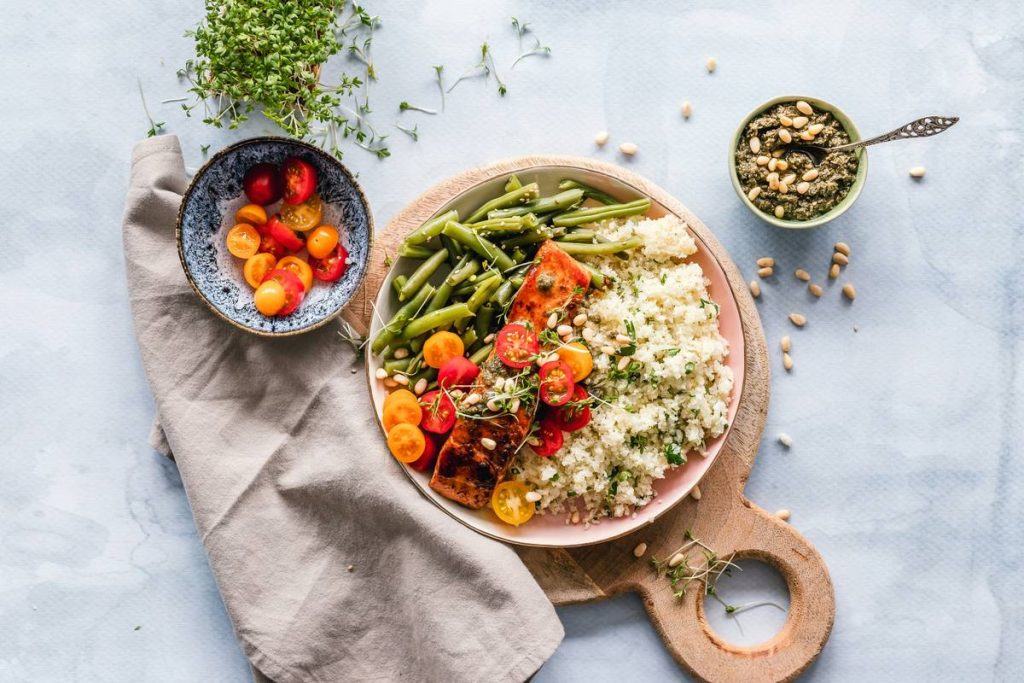
That 100-calorie pack of cookies? It spikes insulin, crashes blood sugar, and leaves you hungrier. Instead: eggs + avocado, Greek yogurt + berries, or grilled chicken + roasted veggies. Whole foods regulate hunger hormones naturally.
Step 4: Move Joyfully—Not Punishingly
You don’t need 2-hour gym sessions. A 30-min brisk walk daily burns ~150 calories and lowers cortisol. Add 2 strength sessions weekly to protect muscle mass—the more muscle you have, the higher your resting metabolism.
Top 10 Healthy Weight Loss Tips Backed by Science
What are the most effective healthy weight loss tips?
- Sleep 7–9 hours nightly. Poor sleep increases ghrelin (hunger hormone) by 15% and decreases leptin (fullness hormone) by 15% (University of Chicago).
- Drink water before meals. 500ml 30 mins before eating reduces intake by 13% (Obesity Journal, 2015).
- Eat slowly. It takes 20 minutes for fullness signals to reach your brain. Put your fork down between bites.
- Plan meals weekly. Reduces impulsive takeout by 40% (American Journal of Clinical Nutrition).
- Manage stress. Try 10 mins of deep breathing—chronic stress = belly fat storage.
- Use smaller plates. Visual cues trick your brain into feeling satisfied with less.
- Limit liquid calories. Skip sugary coffees, juices, and alcohol—they don’t register as “food” in your satiety system.
- Weigh yourself weekly—not daily. Daily fluctuations are water weight, not fat loss.
- Focus on non-scale victories. Better sleep, looser jeans, more energy—these matter more than numbers.
- Forgive slip-ups. One off-meal doesn’t ruin progress. Guilt does.
⚠️ Terrible Tip Alert: “Skip Breakfast to Save Calories”
This “hack” backfires. Skipping breakfast often leads to ravenous overeating by lunch and disrupts circadian metabolism. If you’re not hungry, listen to your body—but don’t force fasting if it makes you hangry.
Rant Section: Detox Teas Are Snake Oil
Let’s scream into the void together: Those “flat tummy teas” are just diuretics and laxatives wrapped in Instagram aesthetics. They cause dehydration, electrolyte imbalances, and zero fat loss. The FTC has fined multiple brands for false claims. Save your money—and your colon.
Real People, Real Results: Case Studies That Prove It Works
Do healthy weight loss tips actually work long-term?
Client A: Sarah, 42, office worker. Tried keto, then juice cleanses. Always regained weight. We focused on protein + sleep + daily walks. Result: Lost 28 lbs in 6 months. Kept it off for 2+ years. Her HbA1c dropped from 5.9 to 5.3 (prediabetes reversal).
Client B: Miguel, 29, stressed grad student. Emotional eater. We implemented meal prep + 10-min meditation. No gym. Lost 19 lbs in 4 months. His LDL cholesterol improved by 22 points.
Notice what’s missing? Extreme diets. Supplements. Obsessive tracking. Just consistent, human-friendly habits.
FAQs About Healthy Weight Loss
How fast should I lose weight?
0.5–2 lbs per week is safe and sustainable (CDC). Faster loss often means muscle and water—not fat.
Can I lose weight without exercise?
Yes—nutrition drives 80% of fat loss. But movement improves insulin sensitivity, mood, and muscle retention, making results last longer.
Are carbs bad for weight loss?
No. Whole carbs (oats, sweet potatoes, fruit) fuel workouts and fiber feeds gut health. Only refined carbs (white bread, sugar) sabotage progress.
Why am I not losing weight even in a calorie deficit?
Possible culprits: underestimating intake (oil, sauces!), poor sleep, high stress, or medical issues like hypothyroidism. Get lab work if stuck for 8+ weeks.
What’s the best app for tracking?
Cronometer for accuracy (uses USDA data), Lose It! for simplicity. But tracking isn’t mandatory—intuitive eating works too if you’re mindful.
Conclusion
Healthy weight loss isn’t about perfection. It’s about patterns. The protein-packed breakfast. The walk after dinner. The extra hour of sleep. Stack these tiny, evidence-based habits, and you’ll shed fat—not your joy.
Forget fads. Ditch deprivation. Build a lifestyle where “dieting” disappears because you’re simply living well. And if you slip up? Grumpy You gets coffee. Optimist You gets another chance tomorrow.
Like a Tamagotchi, your metabolism needs daily care—not occasional panic-feeding.