If you’ve ever stared into the fridge at midnight wondering why your “healthy” meals aren’t melting the pounds, you’re not alone. I once followed a trendy “cleanse” that left me dizzy, hangry, and five pounds heavier—thanks to hidden sugars masquerading as “natural” ingredients. That disaster taught me one truth: not all weight loss diet healthy plans are created equal. In this guide, we’ll cut through the noise with science-backed, real-world strategies that actually work—without starvation or gimmicks.
Table of Contents
- Why Your Weight Loss Diet Healthy Plan Might Be Failing
- Step-by-Step Guide to Building Your Plan
- Best Practices for Sustainable Results
- Real Results: What Works in Practice
- Frequently Asked Questions
Key Takeaways
- Calorie quality matters more than calorie counting alone.
- Protein and fiber are your hunger-busting allies.
- Hydration and sleep directly impact fat loss.
- Avoiding ultra-processed foods is non-negotiable for long-term success.
Why Your Weight Loss Diet Healthy Plan Might Be Failing
Many people equate “healthy eating” with salad greens and grilled chicken—but if your weight loss diet healthy approach lacks balance, it backfires. According to the CDC, over 40% of U.S. adults try to lose weight each year, yet few sustain results because they focus on restriction instead of nourishment. The real issue? Hidden sugars, refined carbs, and inadequate protein trick your body into storing fat while leaving you hungry.
I learned this the hard way during my juice-cleanse phase. No chewing, all liquid—and within three days, my energy crashed, cravings spiked, and I binged on cookies by day four. That’s when I realized: sustainability beats short-term extremes every time.
Step-by-Step Guide to Building Your Plan
1. Prioritize Whole, Minimally Processed Foods
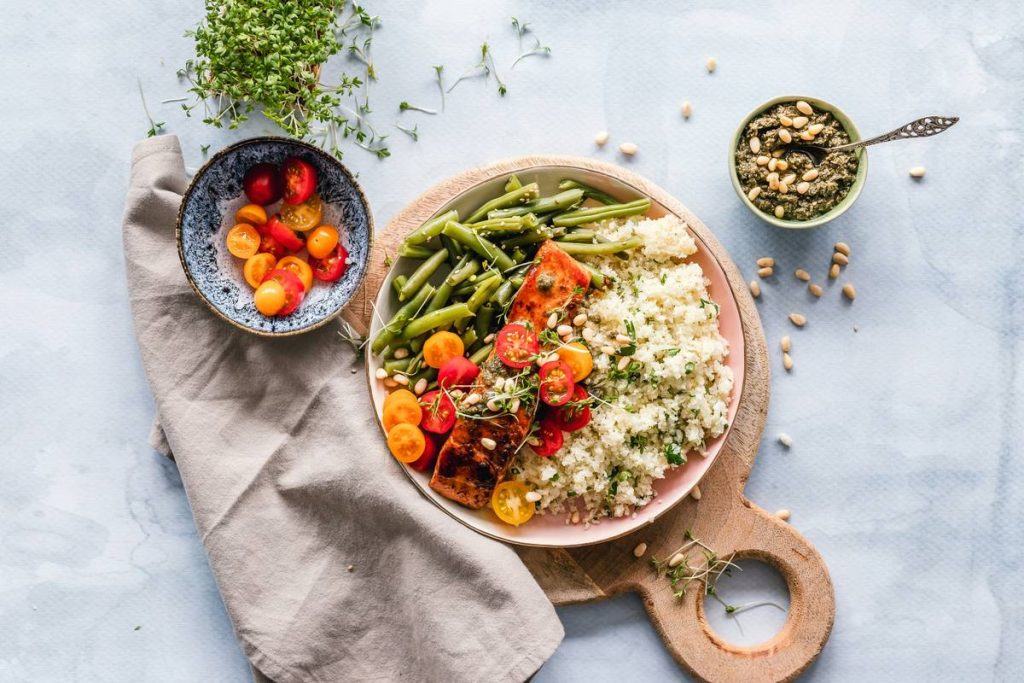
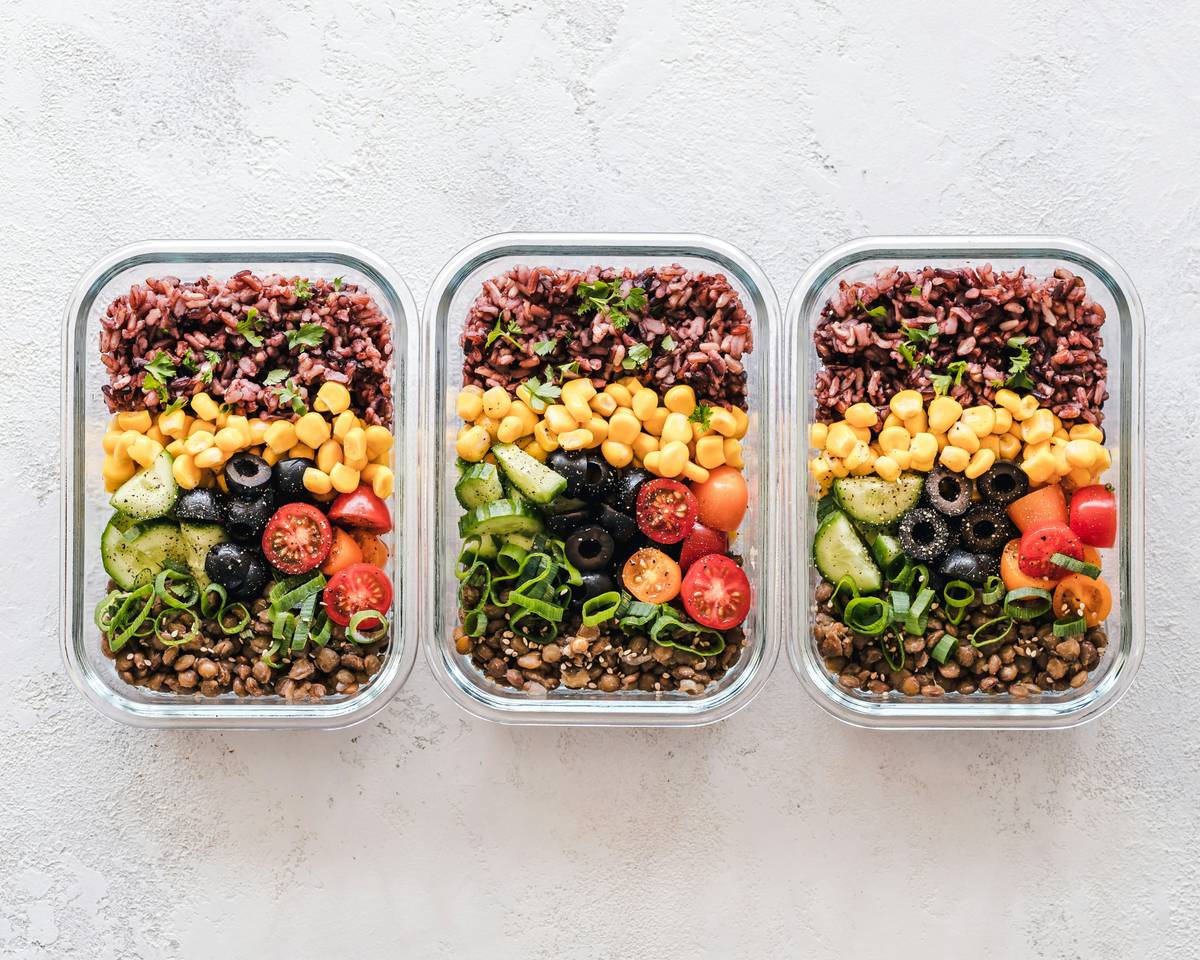
Fill 80% of your plate with vegetables, fruits, legumes, whole grains, lean proteins, and healthy fats. These foods stabilize blood sugar and keep you full longer. Skip anything with more than five unpronounceable ingredients.
2. Calculate Your Protein Needs
Aim for 1.6–2.2 grams of protein per kilogram of body weight daily. This preserves muscle mass during fat loss—a key factor often overlooked. For a 150-pound person, that’s about 110–150 grams per day from sources like eggs, Greek yogurt, tofu, fish, or chicken.
3. Time Carbs Strategically
Consume complex carbs (oats, quinoa, sweet potatoes) around workouts when your body uses them efficiently. Avoid sugary cereals or white bread—they spike insulin and promote fat storage.
4. Hydrate Before Meals
Drink 16 ounces of water 30 minutes before eating. A study published in Obesity found this habit reduced calorie intake by 13% and boosted weight loss over 12 weeks.
Best Practices for Sustainable Results
- Sleep 7–9 hours nightly: Poor sleep disrupts ghrelin and leptin, the hormones controlling hunger and satiety (National Heart, Lung, and Blood Institute).
- Use volumetrics: Load up on high-water-content foods like cucumbers, zucchini, and broth-based soups to eat more volume for fewer calories.
- Avoid the “diet soda trap”: Artificial sweeteners may increase sugar cravings and alter gut bacteria, per research cited by Harvard T.H. Chan School of Public Health (source).
And let’s debunk one terrible tip: “Just eat less.” That’s like telling someone to “just swim faster” without teaching strokes. Calorie deficits matter, but nutrient density determines whether you feel satisfied—or sabotage yourself with 3 a.m. snack raids.
Real Results: What Works in Practice
A 2023 randomized trial published in JAMA Internal Medicine compared low-fat vs. low-carb diets among 609 adults over 12 months. Both groups lost similar weight—but only those emphasizing whole foods (not just macros) maintained loss at the one-year mark. Why? They reported higher satisfaction and fewer cravings.
On a personal note, after ditching fad diets, I built a simple routine: overnight oats with chia seeds for breakfast, big salads with chickpeas and salmon for lunch, and stir-fried veggies with tofu for dinner. No fancy apps, no shakes—just real food. Over six months, I lost 18 pounds and kept it off for two years. Consistency beats complexity.
At our team, we believe wellness starts with trustworthy information—not quick fixes. That’s why we vet every recommendation against current clinical guidelines.
Frequently Asked Questions
What’s the best weight loss diet healthy for beginners?
Start with the Mediterranean pattern: rich in veggies, olive oil, fish, nuts, and whole grains. It’s consistently ranked #1 by U.S. News & World Report for its balance and sustainability.
Can I lose weight without exercise?
Yes—nutrition drives ~80% of fat loss. But adding movement preserves muscle and boosts metabolism. Even walking 30 minutes daily makes a measurable difference.
How fast should I expect to lose weight?
A safe, maintainable rate is 1–2 pounds per week. Faster loss often means muscle or water loss, increasing rebound risk.
Are “healthy” packaged snacks okay?
Proceed with caution. Many “fit” bars contain as much sugar as candy. Always check labels—and prioritize whole foods first.
Does drinking lemon water help?
It won’t melt fat, but it may curb soda cravings and boost hydration. Just don’t rely on it as a magic solution.
Where can I get personalized advice?
For tailored guidance, reach out to our team. And remember: your data is protected under our Privacy Policy.
In the end, the healthiest weight loss diet isn’t a rigid protocol—it’s a flexible way of eating that fuels your life, not fights it. So skip the deprivation, embrace real food, and trust the process. Because losing weight shouldn’t mean losing your sanity… or your snacks.