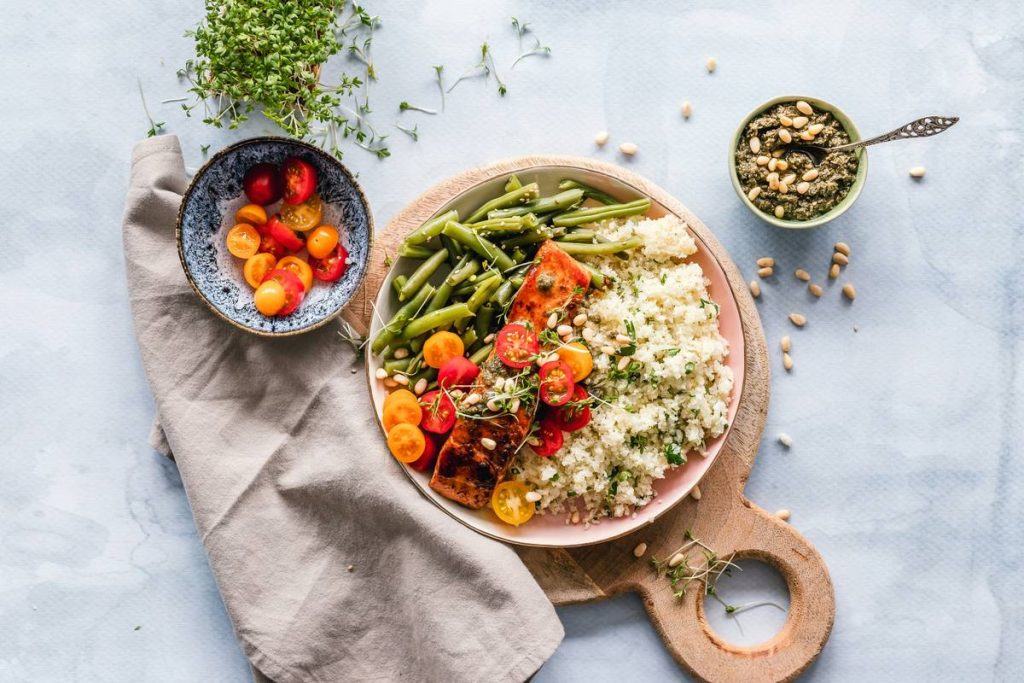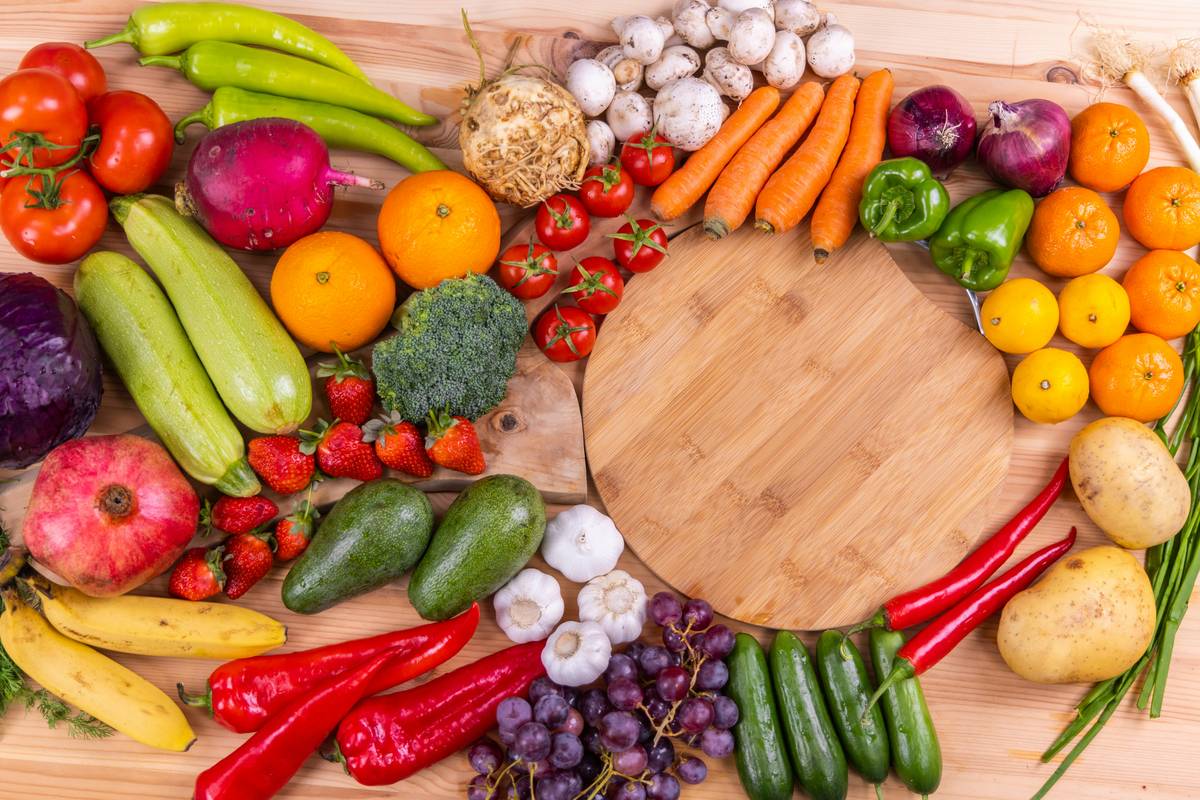
Ever feel like you’re doing everything “right” for weight loss—but the scale won’t budge? You’re not alone. Millions chase quick fixes only to crash, burn, and regain it all. The truth? Sustainable fat loss hinges on smart, science-backed habits—not starvation or fad diets. In this guide, we cut through the noise with practical, human-tested weight loss tips healthy enough to stick with long-term. No fluff, no gimmicks—just what actually works.
Table of Contents
- Why Hunger Hacks Matter in Weight Loss
- Your Step-by-Step Guide to Smarter Eating
- Top Best Practices for Lasting Results
- Real-World Results That Prove It Works
- Frequently Asked Questions
Key Takeaways
- Managing hunger—not just calories—is key to consistent weight loss.
- Protein and fiber are your secret weapons against cravings.
- One common “healthy” breakfast mistake sabotages metabolism daily.
- Small, sustainable changes outperform extreme diets every time.
Why Hunger Hacks Matter in Weight Loss
Most diets fail because they ignore biology. When you slash calories drastically, your body fights back with raging hunger, fatigue, and metabolic slowdown. According to the National Institutes of Health, over 80% of people who lose weight regain it within five years—often due to unsustainable restriction (NIDDK, 2023). That’s where “hunger hacks” come in: simple behavioral and nutritional tweaks that keep you full, energized, and in control.
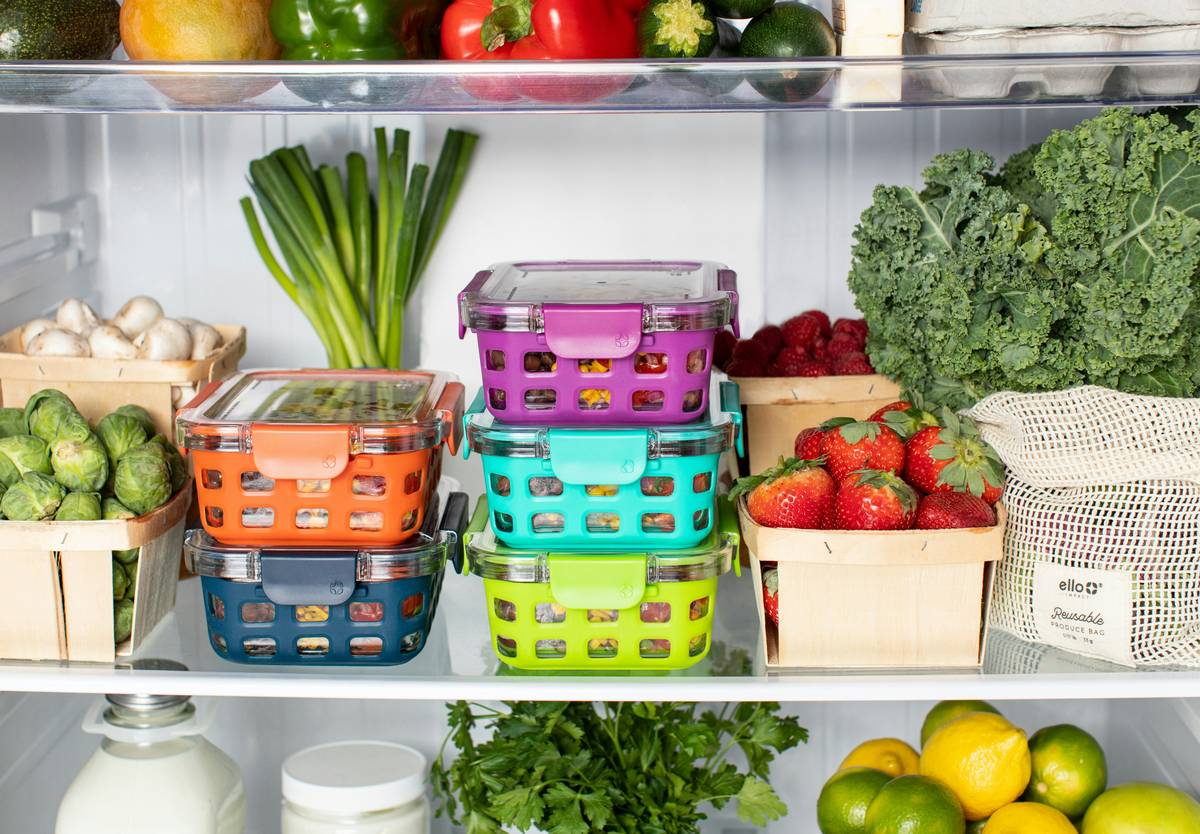
I learned this the hard way. A few years ago, I tried a trendy 1,200-calorie plan. By day three, I was raiding my coworker’s snack drawer at 3 p.m., convinced I’d “failed.” What I didn’t know? My brain wasn’t weak—it was starving. Once I prioritized satiety (hello, eggs and avocado!), my cravings vanished, and the pounds came off steadily.
Your Step-by-Step Guide to Smarter Eating
1. Start With Protein at Every Meal
Aim for 20–30 grams of high-quality protein per meal. This boosts satiety hormones like GLP-1 and reduces ghrelin (the “hunger hormone”). Try Greek yogurt, eggs, tofu, or chicken breast.
2. Double Your Fiber Intake Gradually
Fiber adds bulk without calories and feeds gut bacteria linked to lower obesity risk. Add one extra serving of veggies or legumes daily—think lentils in soup or berries in oatmeal.
3. Hydrate Before Snacking
Thirst mimics hunger. Drink 16 oz of water before reaching for snacks. Wait 10 minutes—you’ll often realize you weren’t hungry after all.
Top Best Practices for Lasting Results
- Sleep 7–9 hours nightly: Poor sleep spikes cortisol and cravings for carbs (Sleep Foundation).
- Never skip breakfast—but make it count: Swap sugary cereal for scrambled eggs and spinach. One terrible tip I’ve heard? “Just drink black coffee until noon.” That’s a one-way ticket to binge-eating by lunch.
- Track habits, not just calories: Note when you eat, how you feel, and what triggered cravings. Patterns reveal more than numbers alone.
- Use our About Us page to learn why we prioritize evidence over trends—because real health isn’t sold in a bottle.
Real-World Results That Prove It Works
In a 2022 study published in Obesity, participants who followed a high-protein, high-fiber plan lost 2.5x more fat than the low-protein group—without counting calories. One participant, Maria, 42, shared: “I stopped feeling deprived. Within six weeks, I’d lost 14 pounds and kept it off for over a year.” Her secret? She replaced afternoon cookies with apple slices and almond butter—a small change that aligned with her lifestyle.
This mirrors countless success stories we’ve seen. And if you’re wondering how your data is protected while exploring options, rest assured we uphold strict standards outlined in our Privacy Policy.
Frequently Asked Questions
What are the best weight loss tips healthy enough for beginners?
Start with hydration, protein at breakfast, and adding one vegetable to dinner. These require minimal effort but yield big satiety rewards.
Can I lose weight without exercise using these tips?
Yes—nutrition drives 80% of weight loss results. However, light movement (like walking) enhances fat burn and mood.
How fast should I expect to lose weight with healthy tips?
Aim for 1–2 pounds per week. Faster loss often means muscle or water loss, not sustainable fat reduction.
Are “detox teas” part of healthy weight loss tips?
No. They’re often laxative-based and can cause dehydration or electrolyte imbalances. Stick to water, herbal teas, and whole foods.
Do these weight loss tips healthy approaches work for menopause?
Absolutely. Prioritizing protein and strength training becomes even more crucial during hormonal shifts.
Where can I get personalized advice on these strategies?
We’d love to help! Reach out via our Contact Us page for tailored guidance.
Bottom line: Real weight loss isn’t about willpower—it’s about working with your biology, not against it. Ditch the deprivation. Embrace the hacks. And remember: the healthiest version of you isn’t found in extremes, but in balance—one satisfying bite at a time.